
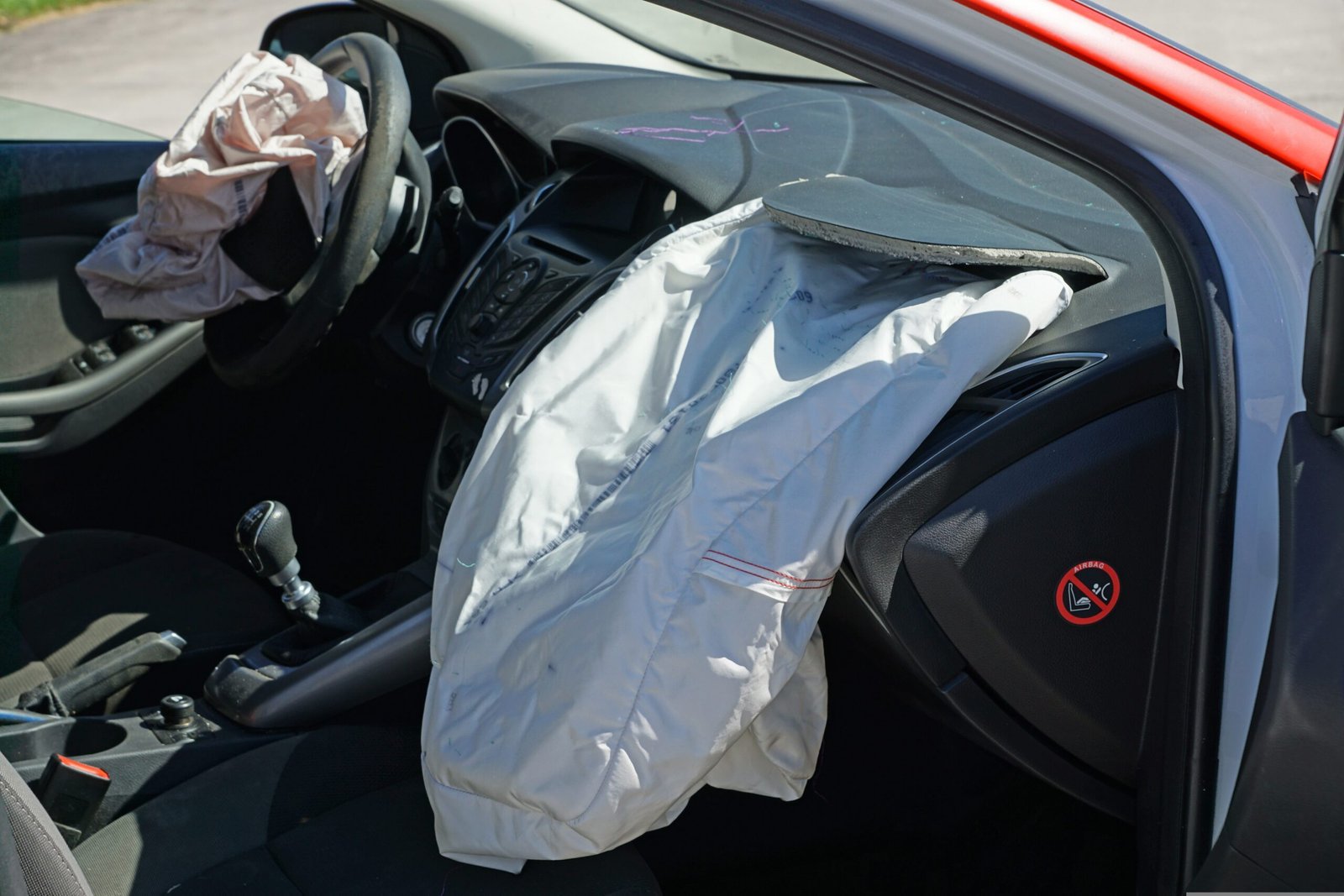

“Full coverage” isn’t an official insurance term — no law or policy document defines it. In practice, it almost always means three coverages bundled together: liability, collision, and comprehensive. Here’s exactly what each one pays for, what full coverage still won’t cover, roughly what it costs, and how to tell if you actually need it.
Table of Contents
What Full Coverage Typically Includes
| Coverage | What it pays for | Required by law? |
|---|---|---|
| Liability | Injuries or property damage you cause to other people | Yes, in nearly every state |
| Collision | Damage to your car from hitting another vehicle or an object (a fence, a pole), regardless of fault | No — but lenders/leasing companies almost always require it |
| Comprehensive | Damage to your car from anything else: theft, vandalism, fire, hail, flooding, hitting an animal, a cracked windshield | No — same as above, lenders typically require it |
Collision and comprehensive both come with a deductible you choose (commonly $500–$1,000) — you pay that amount, insurance covers the rest up to your car’s actual cash value. (Definitions above follow the standard terms used by state insurance regulators — see the Oklahoma Insurance Department’s auto insurance glossary for the official language.)
What Full Coverage Does NOT Cover
This is the part most people miss:
- Your own medical bills — that’s a separate coverage (Medical Payments or PIP), not automatically included
- Mechanical breakdown or wear and tear — a failing transmission or worn brakes aren’t an “accident”; that’s what an extended warranty is for
- Belongings stolen from inside the car — a laptop or bag taken from your car is usually a homeowners/renters insurance claim, not auto
- Rental car while yours is repaired — only included if you added rental reimbursement
- Roadside assistance / towing — only included if you added it as a separate rider
- The gap between your loan balance and your car’s value if it’s totaled — that needs gap insurance, a separate add-on
Coverages Often Bundled In (Ask Your Insurer)
- Uninsured/underinsured motorist coverage — pays if the other driver has no insurance or not enough; required in some states, optional in others
- Medical Payments (MedPay) or Personal Injury Protection (PIP) — covers your own and your passengers’ medical bills regardless of fault
- Rental reimbursement and roadside assistance — inexpensive add-ons worth asking about
How Much Does Full Coverage Cost?
Nationally, full coverage runs roughly $185–$245 a month depending on the source and your state — it can be under $90/month in states like New Hampshire or Wyoming, and over $300/month in Nevada, Louisiana or Maryland. Your own rate depends far more on your age, driving record, credit-based insurance score, vehicle, and location than on any national average. (Range based on recent national averages reported by NerdWallet’s car insurance cost analysis.)
Get a real number for your situation with our car insurance calculator — it factors in your state, vehicle and driver profile instead of a nationwide guess.
Do You Actually Need Full Coverage?
- Financing or leasing? Your lender almost certainly requires it — this isn’t optional until the loan is paid off. See our car payment calculator if you’re still shopping for a loan.
- Own the car outright? A common rule of thumb: if your annual comprehensive + collision premium is more than about 10% of your car’s actual cash value, liability-only may make more financial sense — you’d be paying a lot to protect a car that isn’t worth much.
- New or expensive car? Full coverage is usually worth it — repair or replacement costs would be a real financial hit without it.
Frequently Asked Questions
Is full coverage the same as liability insurance?
No. Liability only pays for damage you cause to others. Full coverage adds collision and comprehensive, which pay to repair or replace your own car too.
Does full coverage include a rental car while mine is being repaired?
Not automatically — rental reimbursement is a separate, usually inexpensive add-on you have to select.
Does full coverage cover my personal belongings if my car is broken into?
No — items stolen from inside your car are typically a homeowners or renters insurance claim, not an auto insurance one.
Do I need full coverage on an older, paid-off car?
Not necessarily. Once your car’s value drops low enough, the premium can cost more over a year or two than the payout would be worth — the 10% rule above is a reasonable way to check.
Disclaimer: This article is for general information only and isn’t insurance or financial advice. Coverage requirements and costs vary by state, insurer and individual policy — confirm details with your insurance provider before making coverage decisions.
Last updated: September 2026