
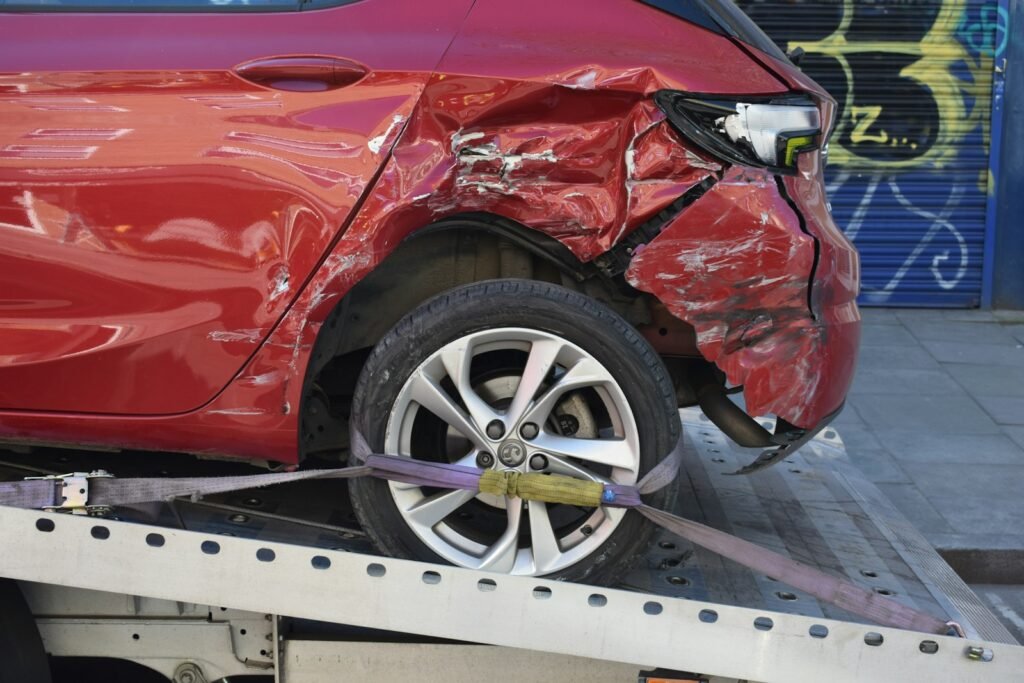
Quick answer: a salvage title means an insurance company or the state has declared the vehicle a total loss, usually because repairing it would cost more than a set share of its value. A car with a salvage title generally cannot be driven or registered until it is repaired, inspected and retitled as rebuilt. Salvage and rebuilt cars typically sell for 20% to 40% less than the same car with a clean title.
Table of Contents
What Does a Salvage Title Mean?
A title is “branded” salvage when the car is badly damaged by a crash, flood, fire, hail or theft and the damage is too costly to fix compared with its value. The federal NMVTIS glossary defines a salvage vehicle as one where repair costs plus salvage value would exceed its pre-damage market value, or one an insurer has declared a total loss.
Each state sets its own trigger. Texas, for example, brands a car salvage when the repair cost is more than the car was worth before the damage. Other states use a percentage of value; many are around 70% to 75%. See the state-by-state thresholds in our totaled car value calculator.
Salvage vs Rebuilt vs Clean Title
| Title | What it means | Can you drive it? |
|---|---|---|
| Clean | No major damage brand on record | Yes |
| Salvage | Declared a total loss; not yet repaired and inspected | No, in most states, except to take it for inspection |
| Rebuilt (or “rebuilt salvage”) | Was salvage, then repaired and passed a state inspection | Yes, once registered |
| Junk / non-repairable | Only good for parts or scrap | No, never again |
A rebuilt brand stays on the title for good. It tells future buyers the car was once a total loss, even after it is fixed.
How Much Is a Salvage Title Car Worth?
Industry sources cited by CarInsurance.com and Insurance.com put the drop at about 20% to 40% compared with the same car with a clean title, and sometimes more. The exact hit depends on the type of damage, the quality of repairs, the car’s age and local demand. Flood damage usually hurts value the most, because hidden corrosion and electrical problems can show up later.
Example: if a clean-title car is worth $20,000, the same car with a rebuilt title might sell for about $12,000 to $16,000.
Can You Insure or Finance a Salvage Title Car?
- Salvage (not yet rebuilt): usually cannot be insured for road use, because it cannot legally be driven.
- Rebuilt: can be insured, but some insurers only offer liability coverage, not full coverage, and rates may be higher.
- Loans: many banks and credit unions will not finance salvage or rebuilt cars, or they lend less. Plan on paying cash or checking with lenders first.
How to Turn a Salvage Title Into a Rebuilt Title
- Repair the car with proper parts and keep every receipt and photo.
- Fill out your state’s rebuilt or salvage vehicle forms.
- Pass a state inspection (often an anti-theft and safety check of the parts used).
- Pay the title fee and receive a rebuilt title, then register and insure the car.
Rules and forms differ by state, so check your state DMV website before you start repairs.
Should You Buy a Car With a Salvage or Rebuilt Title?
| Pros | Cons |
|---|---|
| Much lower price than a clean-title car | Hard to resell; buyers pay much less |
| Can be a good deal if damage was cosmetic and repairs were done well | Hidden damage (frame, airbags, flood) can be dangerous |
| Fine for a second car or project car | Harder to insure with full coverage and to finance |
If you are considering one, get a pre-purchase inspection from an independent mechanic, ask for repair records and photos, and check the vehicle history.
How to Check if a Car Has a Salvage Title
- Look at the paper title for words like “Salvage,” “Rebuilt,” “Flood” or “Junk.”
- Run the VIN through an NMVTIS vehicle history report (from approved providers listed at vehiclehistory.gov). Once a state brands a car, the brand stays on its NMVTIS record permanently, which helps catch “title washing,” where a car is retitled in another state to hide its brand.
- Use the free NICB VINCheck to see if the car has been reported as a total loss or stolen.
- Look for signs of flood damage: musty smells, silt under the carpet, rust on seat rails or corrosion on wiring.
Frequently Asked Questions
What does a salvage title mean?
It means the vehicle was declared a total loss, usually by an insurance company, because repairing it would cost more than a set share of its value. It generally cannot be driven or registered until it is repaired, inspected and retitled as rebuilt.
Can you drive a car with a salvage title?
Not legally on public roads in most states, except to take it to a required inspection. It must first pass inspection and get a rebuilt title.
How much less is a salvage title car worth?
Usually about 20% to 40% less than the same car with a clean title, according to industry sources, and sometimes more for flood-damaged cars.
What is the difference between salvage and rebuilt titles?
A salvage title means the car is damaged and not yet road-legal. A rebuilt title means it was repaired and passed a state inspection, so it can be registered and driven, but the rebuilt brand stays forever.
Can a salvage title become clean again?
No. Once branded, a car keeps its history. The best it can become is rebuilt. A seller claiming otherwise may be hiding a washed title.
Can you get full coverage on a rebuilt title car?
Sometimes. Some insurers offer only liability coverage for rebuilt cars, while others offer full coverage after an inspection. Shop around.
Related guides: what a clean title means and what a bonded title is. Wondering what a damaged car is worth? Try our totaled car value calculator.
This article is for general information only and isn’t legal advice. Title rules, brands and inspection requirements vary by state. Check with your state DMV before buying, selling or repairing a salvage vehicle.
Last updated: September 2026
Sources and further reading
- NMVTIS (U.S. Department of Justice) — Glossary: salvage, junk and total loss
- NMVTIS — Information for consumers
- Texas DMV — Salvage vehicles and brands
- Insurance.com — Rebuilt title vs salvage title
- CarInsurance.com — Value of rebuilt vs clean title vehicles
- NICB — VINCheck
This article was researched and fact-checked by the AutoExpertsHub editorial team against the sources above. Learn how we work in our Editorial Policy. Spotted an error? Let us know.