
Quick answer: Most drivers get 30,000 to 70,000 miles from a set of brake pads and 50,000 to 70,000 miles from brake rotors. Calipers usually last much longer, often 100,000 miles or more. Your driving style, vehicle weight, pad material and road conditions matter more than any single mileage figure, so inspect your brakes regularly rather than waiting for a fixed interval.
How Long Do Brake Pads Last?
Brake pads are the friction material that presses against the rotors to slow your car. They are designed to wear down, and they are the brake part you will replace most often. Most brake pads last 30,000 to 70,000 miles. City drivers who brake constantly may reach the lower end of that range, while mainly motorway drivers may exceed it.
Pad material also matters. Organic pads are softer and quieter but tend to wear faster. Semi-metallic pads offer strong stopping power and good durability. Ceramic pads are quiet, produce less dust and often last longer, although they can cost more up front. Always replace pads on both wheels of the same axle together so braking stays balanced.
How Long Do Brake Rotors Last?
Rotors, also called brake discs, are the metal discs the pads clamp onto. A set of rotors typically lasts 50,000 to 70,000 miles, often through two sets of pads, provided they remain thick enough, smooth and free from warping or deep scoring. Heavy vehicles, towing, mountain driving and repeated hard braking generate more heat and wear rotors faster.
Rotors do not always need replacing with every pad change. A workshop should measure rotor thickness against the manufacturer’s minimum and check for uneven wear. If rotors are warped, you may feel a pulsing brake pedal or vibration when braking.
How Long Do Brake Calipers Last?
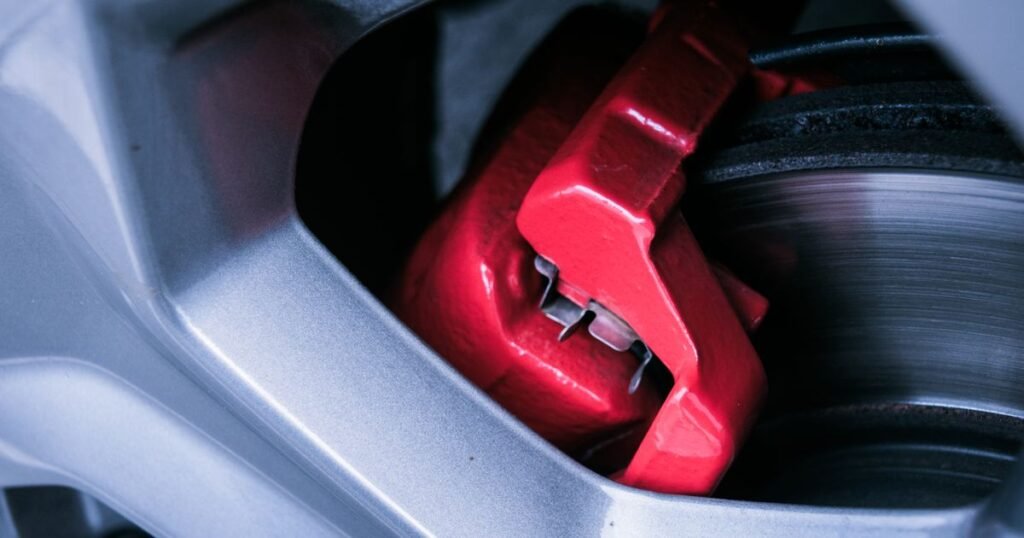
Calipers house the pads and squeeze them against the rotors. Unlike pads, calipers are not a regular wear item. Most calipers last 100,000 miles or more, and many last the life of the vehicle. Sticking, leaking or seized calipers can cause uneven pad wear, pulling to one side, a burning smell or a wheel that feels hot after driving. In that case, the affected caliper should be repaired or replaced promptly.
What Affects How Long Brakes Last?
- Driving style: Hard, late braking and frequent stop-start traffic wear pads faster than smooth, anticipatory braking.
- Vehicle weight and load: Heavier cars, SUVs, trucks and towing place more demand on the brakes.
- Terrain: Hilly and mountainous routes require more braking and generate more heat.
- Pad and rotor quality: Cheap pads may wear quickly and produce more dust, while quality parts often last longer.
- Environment: Road salt, moisture and corrosion can affect rotors and caliper slides, especially on cars that sit unused.
- Driving conditions: City driving wears brakes faster than steady motorway driving.
Signs Your Brakes Need Replacing
- A high-pitched squeal when braking, often from a built-in wear indicator.
- Grinding or metal-on-metal noise, which usually means the pads are worn through.
- A pulsing brake pedal or vibration when braking, often linked to warped rotors.
- The car takes longer to stop or pulls to one side when braking.
- A brake warning light on the dashboard.
- Visibly thin pads or scored rotors during an inspection.
Do not ignore grinding brakes. Metal scraping on a rotor damages the rotor, increases stopping distances and can turn a relatively cheap pad job into a much larger repair. If your car shakes only when braking, warped rotors are a common cause — see our guide on why your car is shaking for other possible causes.
How Much Does It Cost to Replace Brakes?
Costs vary by vehicle, parts and workshop, but as a guide, pads alone often cost $115 to $270 per axle at a chain or independent shop, while pads and rotors together typically cost $250 to $500 per axle. Dealers and performance vehicles usually cost more. For a detailed breakdown by job and vehicle, see our guide to brake pads and rotors cost.
How to Make Your Brakes Last Longer
- Brake smoothly and early, and leave a safe gap so you are not braking hard at the last moment.
- Use engine braking on long descents where safe, rather than riding the brake pedal.
- Avoid carrying unnecessary weight and remove roof loads when you do not need them.
- Have brakes inspected at least once a year, or sooner if you hear squealing or grinding.
- Keep caliper slides clean and lubricated during servicing so pads wear evenly.
- When you remove a wheel for inspection, use safe jacking steps — the same careful approach as when you change a flat tyre.
Frequently Asked Questions
How long do brake pads last?
Most brake pads last 30,000 to 70,000 miles, depending on pad material, vehicle weight and how much city driving you do.
How long do brake rotors last?
Brake rotors typically last 50,000 to 70,000 miles, often through two sets of pads, if they stay thick enough and are not warped or deeply scored.
How long do brakes last in years?
For an average driver covering about 12,000 miles a year, pads may last roughly 3 to 6 years and rotors roughly 4 to 6 years, but high-mileage and city drivers will replace them sooner.
Should you replace pads and rotors together?
Not always. Replace rotors when they are below minimum thickness, warped, cracked or deeply scored. If they measure well and are smooth, pads alone are often sufficient.
Is it safe to drive with worn brakes?
No, not if they are squealing badly, grinding or giving a warning light. Worn brakes increase stopping distances and can damage rotors and calipers. Have them inspected promptly.
Why do my brakes wear out quickly?
Frequent hard braking, city traffic, hilly routes, towing, heavy loads and sticking calipers are the most common causes. A sticking caliper often causes one side to wear much faster than the other.
Do front brakes last longer than rear brakes?
Usually the opposite: front brakes do most of the stopping, so they normally wear out first and are replaced more often than rear brakes.