
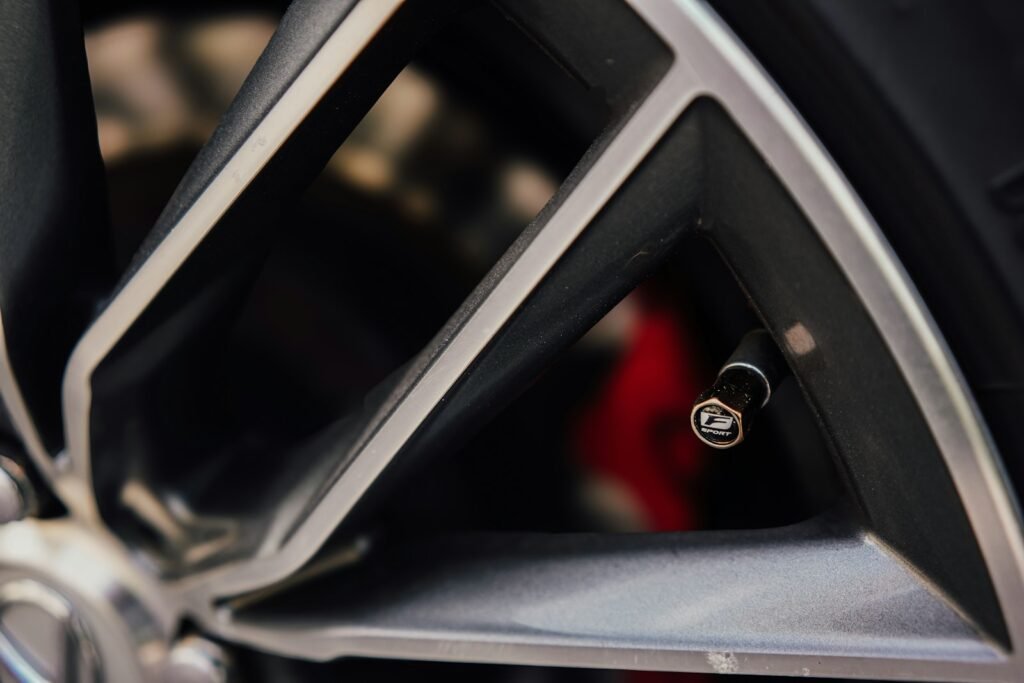
Quick answer: replacing one TPMS (tire pressure) sensor usually costs $50 to $350, and most drivers pay around $200 to $300 at a shop or dealer. The cheapest way is to replace it during a tire change at a tire shop, where an aftermarket sensor can cost as little as $40 to $100 installed. A full set of four costs about $160 to $400 during a tire change, and $800 or more at a dealer.
Table of Contents
TPMS Sensor Replacement Cost: What Shops Charge
Here is what current price guides and shops report for replacing one sensor, including parts and labor:
| Source | What it covers | Price |
|---|---|---|
| RepairPal (national average) | One sensor at a shop: parts $164–$187, labor $77–$112 | $240–$299 |
| FIXD (Discount Tire estimate) | One sensor: parts $152–$183, labor $54–$68 | $205–$250 |
| AutoZone | One sensor installed; labor $50–$100 per sensor | $50–$250 |
| Car Talk (March 2026) | One sensor installed; the sensor alone costs $40–$200 | $50–$350 |
| Car Talk: dealer quotes | OEM sensor at Subaru and Ford dealers ($171–$182 part) | About $200 |
| Car Talk: independent tire shop | Aftermarket sensor added during tire service | $40 (+$50 labor if sensor-only visit) |
None of these prices include tax, and shop rates vary by city.
Cost for One Sensor vs a Full Set
| Where you get it done | One sensor | All four sensors |
|---|---|---|
| Tire shop, during a tire change (aftermarket sensor) | $40–$100 | $160–$400 |
| Independent shop or chain, sensor-only visit | $100–$300 | $400–$1,000 |
| Dealer (OEM sensor) | $200–$350 | $800–$1,400 |
Our summary of the ranges above. Trucks, SUVs and luxury cars are often at the top of each range.
What Affects the Price
- OEM vs aftermarket sensor. Dealer (OEM) sensors can cost $150 or more each. Good aftermarket sensors work fine and cost much less, and Car Talk notes that your mechanic will know which brands to trust.
- Tire on or off. The sensor sits inside the wheel, so the tire has to come off the rim. If the tire is already off for a replacement, labor is almost free. A sensor-only visit adds about $50 to $100 per wheel.
- Relearn (programming). After a new sensor goes in, the car must learn its ID. Some cars do this after a short drive; others need a scan tool, which shops usually include.
- Valve stem kit. Shops often replace the valve stem seal, nut and core at the same time for a few dollars per wheel.
Signs a TPMS Sensor Is Bad
- The TPMS light flashes when you start the car, then stays on. This usually means a sensor or system fault, not low air.
- The light stays on after you set every tire to the right pressure (use the pressure on the sticker in the driver’s door jamb, with cold tires).
- One tire shows no reading or a wrong reading on the dashboard.
- The car is about 10 years old or more. Sensor batteries are sealed inside, so when the battery dies the whole sensor is replaced. Car Talk says to expect this if you keep a car longer than about 10 years.
A solid TPMS light means at least one tire is about 25% or more below its recommended pressure. Check and fill your tires first, because that is by far the most common cause.
Can You Drive With a Bad TPMS Sensor?
Yes, the car will drive normally, but you lose the warning that tells you a tire is going flat. That matters: all 2008 and newer cars have TPMS because under-inflated tires are a common cause of blowouts and crashes. Until you fix it, check your tire pressure with a gauge at least once a month and before long trips.
Can You Replace a TPMS Sensor Yourself?
It is possible, but it is not an easy driveway job. You need to break the tire off the rim, install the sensor, remount and balance the tire, and often use a TPMS tool to program the sensor. For most people it is cheaper and faster to buy the sensor online and have a tire shop install it, or to replace sensors when you buy new tires.
How to Save Money on TPMS Sensors
- Replace aging sensors when you buy new tires, since the tire is already off the wheel.
- Ask the shop for a quality aftermarket sensor instead of an OEM part.
- Get a quote from a tire shop, not only from the dealer.
- If one old sensor fails, ask if it makes sense to replace the others at the same visit, since they are the same age.
Frequently Asked Questions
How much does it cost to replace one TPMS sensor?
Usually $50 to $350. Most shops and dealers charge about $200 to $300 for one sensor with installation, while a tire shop may charge $40 to $100 when the tire is already off.
How long do TPMS sensors last?
Many last around 10 years. The battery is sealed inside the sensor, so when it runs down, the whole sensor has to be replaced.
Do I need to replace all four TPMS sensors at once?
No. You can replace just the one that failed. But sensors of the same age tend to fail around the same time, so replacing all four during a tire change can save labor later.
Why is my TPMS light on after filling my tires?
Some cars need a short drive or a reset to clear the light. If it flashes at startup and then stays on, a sensor has likely failed.
Does Discount Tire replace TPMS sensors?
Yes, tire chains like Discount Tire replace sensors. FIXD estimates about $205 to $250 per sensor there, parts and labor included.
Is it illegal to drive with the TPMS light on?
Federal rules require carmakers to install TPMS, but driving with the light on is generally not illegal. Some state safety inspections may check the TPMS warning light, so check your state’s rules.
Deciding whether an older car is worth repairing? See what it is worth with our car depreciation calculator, or see more repair price guides: starter, brake pads and rotors, struts and AC compressor.
Prices are estimates for general information only, compiled from the sources below in September 2026. Your price depends on your vehicle, location and shop. Always get a written quote before work begins.
Last updated: September 2026
Sources and further reading
- RepairPal — TPMS sensor replacement cost estimate
- Car Talk — How much does it cost to replace a TPMS sensor?
- AutoZone — Tire sensor replacement cost
- FIXD — Average Discount Tire TPMS sensor replacement cost
- Edmunds — Tire pressure monitoring systems explained
- Pirelli — TPMS light on: what it means
This article was researched and fact-checked by the AutoExpertsHub editorial team against the sources above. Learn how we work in our Editorial Policy. Spotted an error? Let us know.