
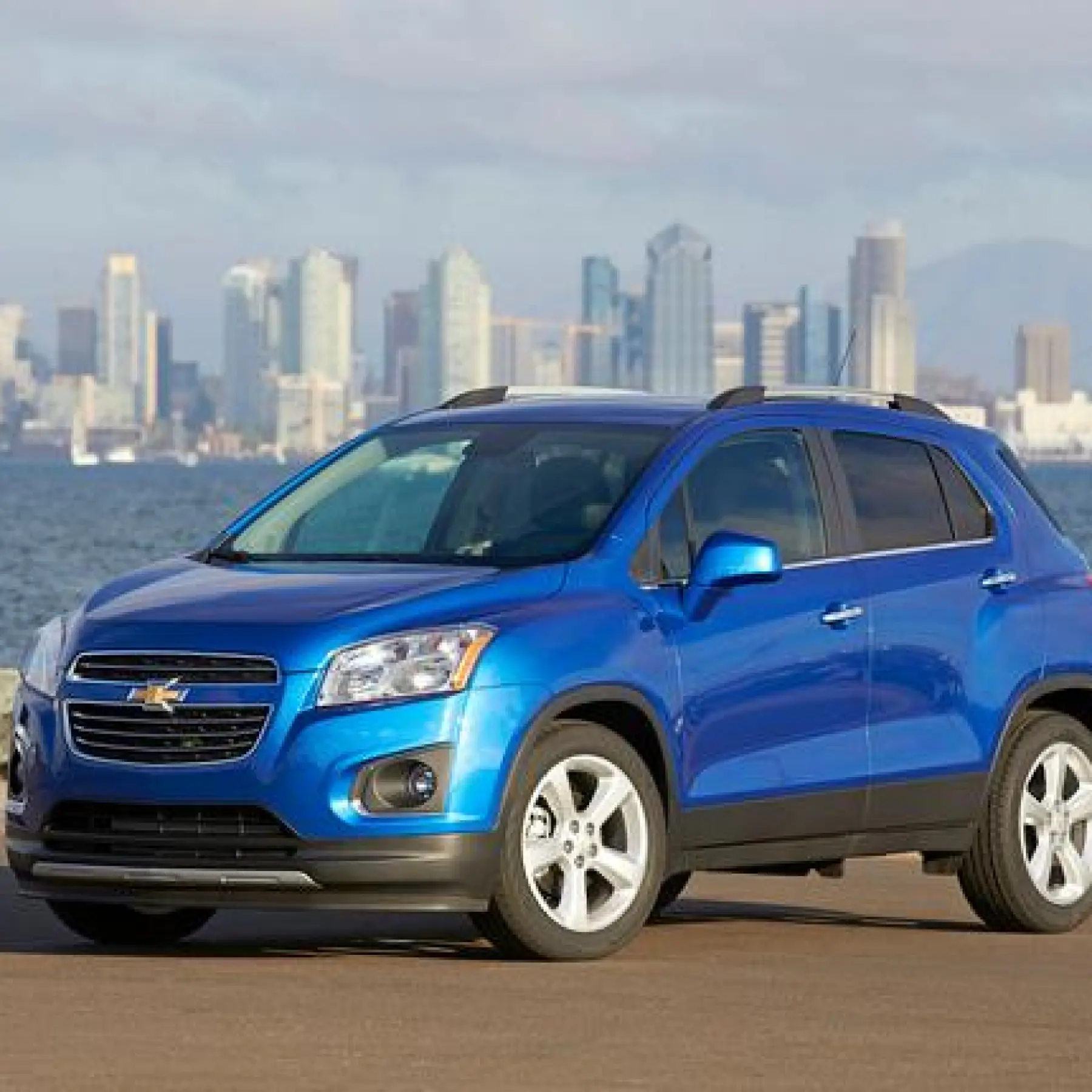

Quick answer: avoid the 2015–2017 Chevy Trax, especially the 2016 model — it has the most reported engine and electrical complaints of any year. 2018 onward is meaningfully better, and 2021–2022 are generally the safest picks from the first generation. The all-new second-generation Trax (2024–present) is too new to have a reliability track record yet, so there’s no 2023 model year at all — Chevy skipped it while retooling.
Table of Contents
Chevy Trax Years at a Glance
| Years | Generation | Verdict | Why |
|---|---|---|---|
| 2015–2017 | 1st gen | Avoid | Most complaints, most recalls, worst-rated for engine and electrical issues |
| 2018–2020 | 1st gen | OK | Noticeably fewer complaints than earlier years |
| 2021–2022 | 1st gen | Safest 1st-gen pick | Lowest complaint counts of the generation |
| 2023 | — | Doesn’t exist | Chevy skipped this model year while developing the redesign |
| 2024–present | 2nd gen (all-new) | Too new to judge | Bigger, different platform — not enough ownership history yet |
Why the 2015–2017 Models Are the Ones to Avoid
The 2016 Trax specifically stands out as the worst model year on record, with engine problems as the single most-reported issue category. The most costly repair reported is outright engine failure, averaging around $13,000 to fix, typically showing up around 95,000 miles. Owners have also reported the air conditioning failing (roughly $900 to repair, around 40,000 miles) and paint peeling (around $500, around 60,000 miles).
The 2015 model has its own separate problem: a tendency to roll on an incline even when parked, which contributed to it carrying seven recalls — more than any other Trax year. The 2017 model improved somewhat but still drew complaints, with an underpowered engine and low-quality cabin materials frequently mentioned by owners.
Across these early years, the most commonly reported problem areas are:
- Transmission — manual-transmission Trax models in particular have documented complaints of jerking or hesitating when shifting
- Engine — the 2016 model especially, up to and including full engine failure
- Electrical system — dashboard, lighting and accessory issues
- Air conditioning — most concentrated in the 2016 model
(Complaint and repair-cost figures based on CarComplaints.com’s Chevrolet Trax data, compiled from owner-reported issues.)
Better Choices: 2018 and Newer (First Generation)
Chevy made real improvements starting with the 2018 model year, and complaint volume drops noticeably from there. If you’re shopping the first generation, 2021 or 2022 are the strongest picks — they carry the fewest reported issues of any first-gen year, though by this point you’re also paying closer to what a low-mileage used Trax commands.
What About the All-New 2024+ Trax?
The second-generation Trax is a different vehicle — bigger, on a new platform, with a 1.2L turbocharged three-cylinder engine and no manual-transmission option (which removes the specific transmission complaint that dogged early first-gen models). It simply hasn’t been on the road long enough to have a meaningful reliability record yet. If you want a 2024 or newer model, that’s a reasonable bet on paper, but treat “no complaints yet” as “not enough data” rather than “problem-free.”
If you’re weighing a used Trax against your budget, our car payment calculator and car insurance calculator can help you plan the total cost before you buy.
What to Check on Any Used Trax, Regardless of Year
- Test the transmission through several full stops and reverse-to-drive shifts — hesitation or jerking is the red flag to listen for, especially on manual models
- Run the A/C for several minutes and confirm it stays cold, particularly on 2016 models
- Check for open recalls using the VIN on NHTSA’s recall lookup tool before you buy
- Get a pre-purchase inspection from an independent mechanic, especially on any 2015–2017 model with higher mileage
Frequently Asked Questions
What is the best year for a Chevy Trax?
Among first-generation models, 2021 and 2022 have the fewest reported complaints. If you want the redesigned, larger model, 2024 or newer is the only option, though it’s too new to have an established reliability record.
What are the major issues with the Chevy Trax?
The most-reported problems cluster around the engine and transmission — including 2016 models with reports of full engine failure — along with electrical issues and, in 2016 specifically, air conditioning failures.
Which Chevy Trax is most reliable?
Later first-generation years (2021–2022) are the most reliable of the original Trax. Avoid 2015–2017 if reliability is the priority.
This article covers commonly reported issues by model year based on available owner-complaint data; it isn’t a guarantee about any individual vehicle. Always get a pre-purchase inspection.
Related: shopping other Chevy models? See our guides to the Chevy Silverado years to avoid and Chevy Equinox years to avoid.
Last updated: September 2026